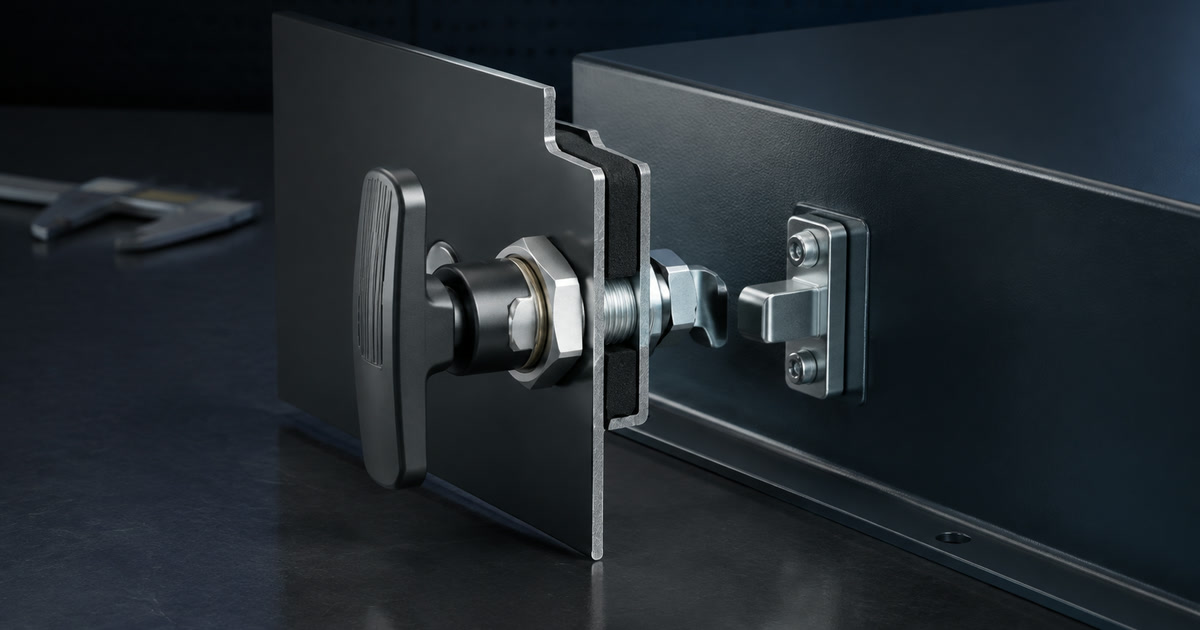
Compression Latches
Specify pull-up travel, grip, gasket deflection and installed sealing evidence for compression-latch sourcing.
Focused sourcing categories
Start with the component family that fits your enclosure project. Each guide explains common configurations, the details suppliers need and the information to include in a useful RFQ.
Direct answer
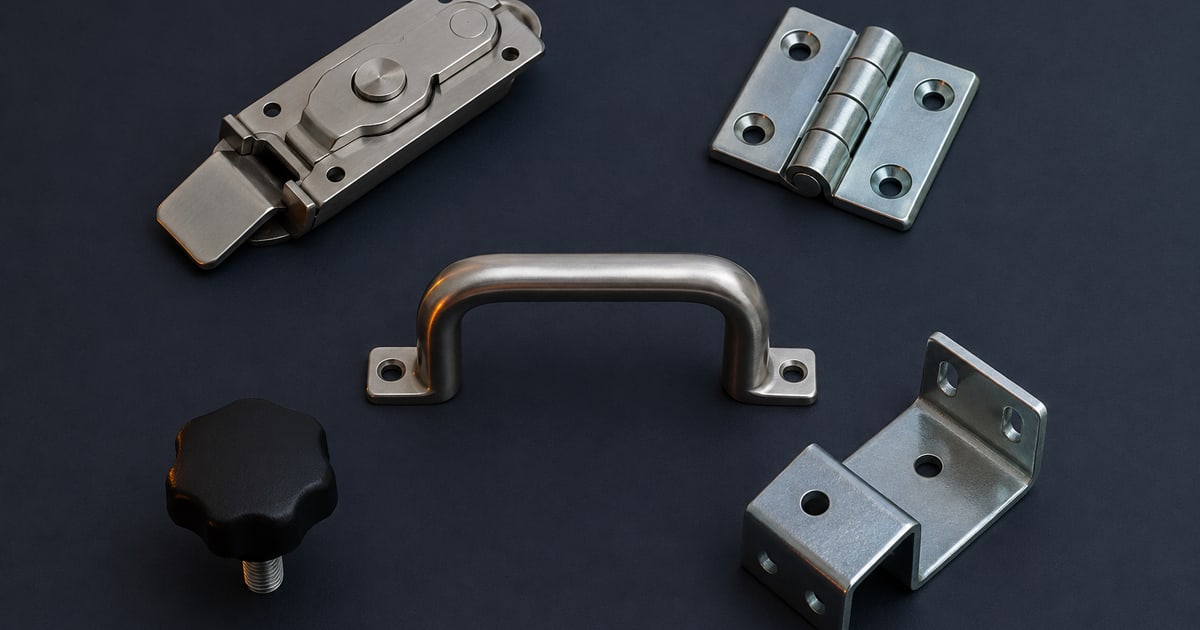
Choose the category by the component’s primary function: closing or access control points to latches and locks; guided door motion or removal points to hinges; pulling or carrying points to handles; manual rotary adjustment or clamping points to knobs and handwheels; and a drawing-defined mounting or reinforcement part points to custom brackets and stampings.
| Buyer need | Start with | Provide first |
|---|---|---|
| Close, compress or restrict access to a door or panel | Latches & locks | Door/frame section, grip, cutout, cam or keeper and access method |
| Guide door motion, removal or position holding | Enclosure hinges | Door mass, center of gravity, hinge layout, motion and attachment |
| Pull a panel or carry an enclosure assembly | Handles & pulls | User action, grip, mounting interface and complete load path |
| Turn, adjust or clamp a shaft, stud or machine setting | Knobs & handwheels | Function, outside diameter, bore or thread, torque direction and retention |
| Mount, reinforce, retain or connect from a drawing | Custom brackets & stampings | Controlled drawing, material, thickness, tolerances, finish and volumes |
Long-tail technical library
Move from a broad category to the operating mechanism a supplier must evaluate. Every guide answers a distinct buyer question and provides a copy-ready RFQ starting point.
Specify pull-up travel, grip, gasket deflection and installed sealing evidence for compression-latch sourcing.
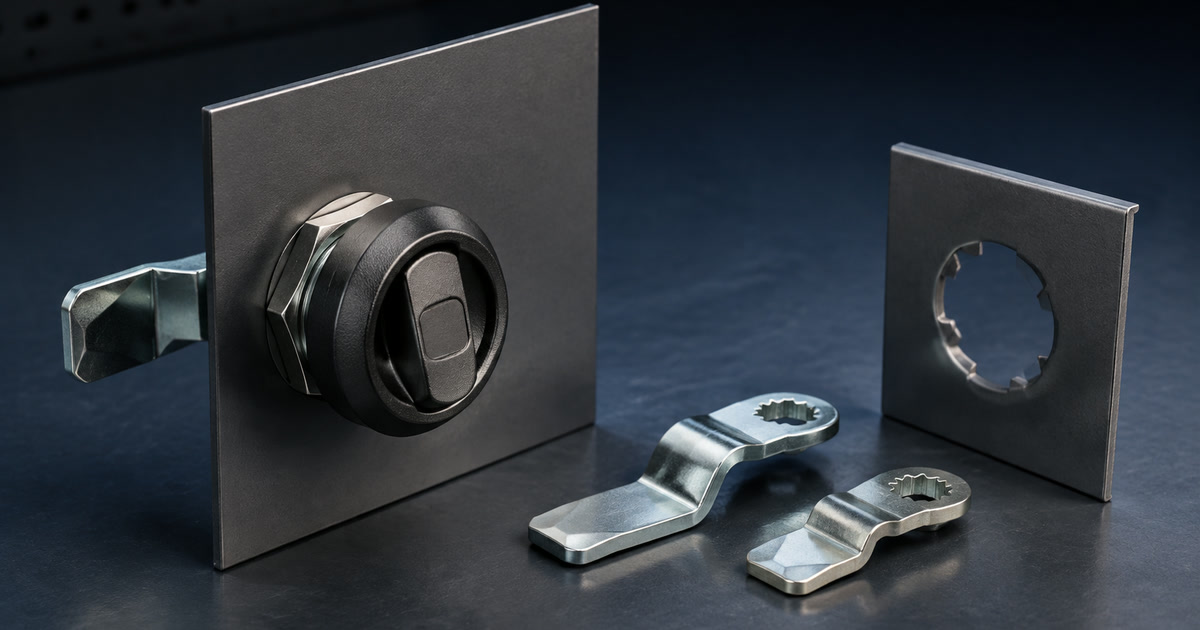
Define grip, cam length and offset, rotation, cutout and access style for quick-access panel latches.
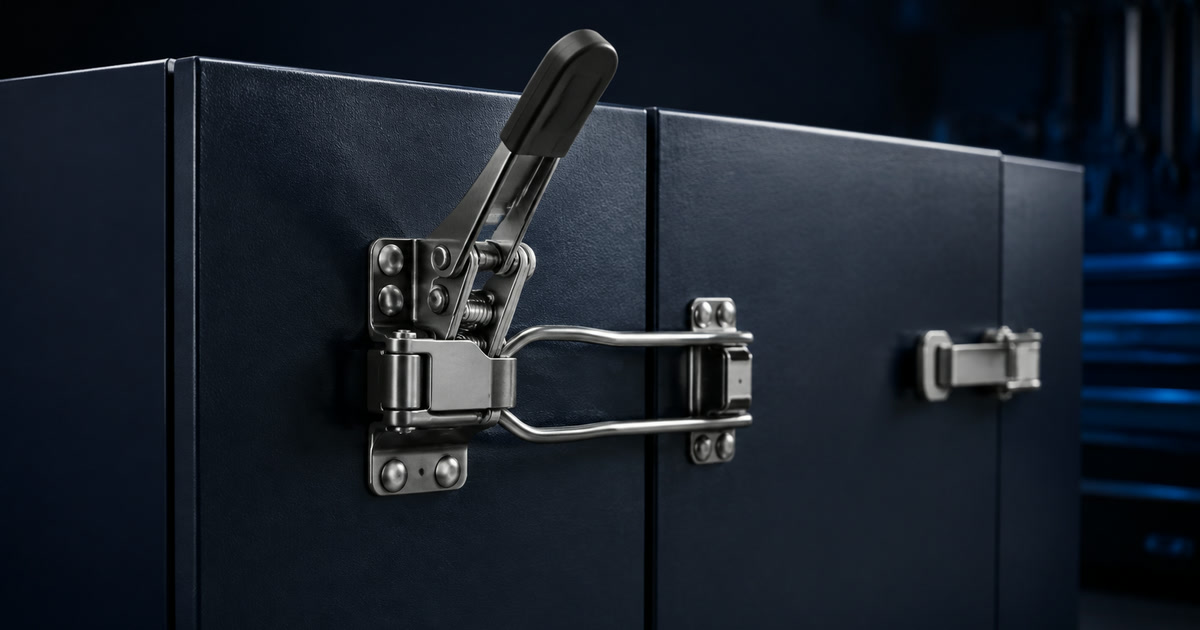
Compare over-center enclosure draw latches by keeper geometry, mounting planes, adjustment, tension and operating sweep.

Specify housing length, cam, turn, key removal, cutout and keying for keyed cam locks on cabinets, drawers and utility boxes.

Identify triangle, square and double-bit insert profiles, then specify lock inserts, keyed cylinders and replacement keys.

Specify swing handles and multipoint rod systems by door height, locking points, rod stroke, handing, lock insert and sealing evidence.
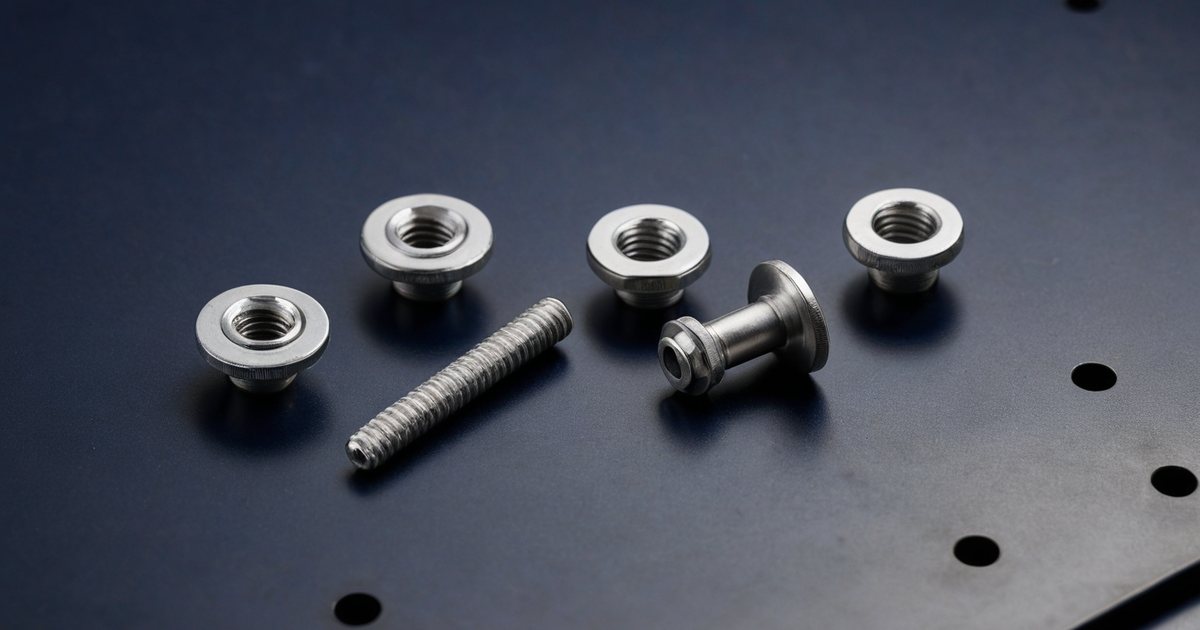
Specify quarter-turn studs, receptacles and captive panel screws by total material thickness, retention, head style and installation method.
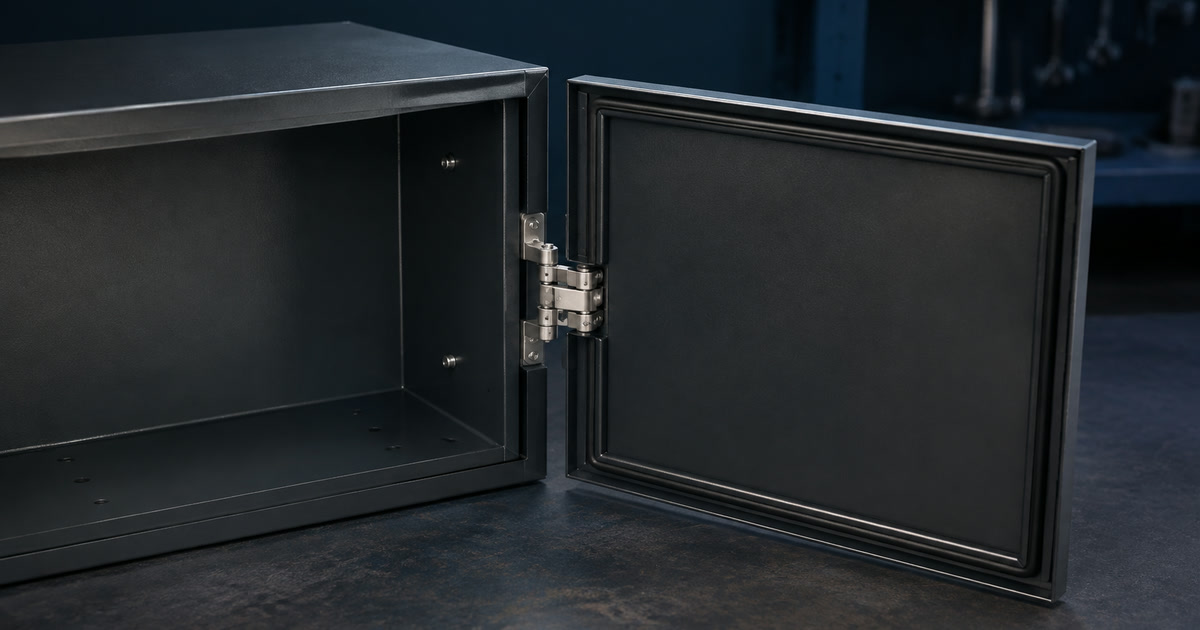
Control door return, pivot offset, opening path, internal clearance and installed load for hidden enclosure hinges.
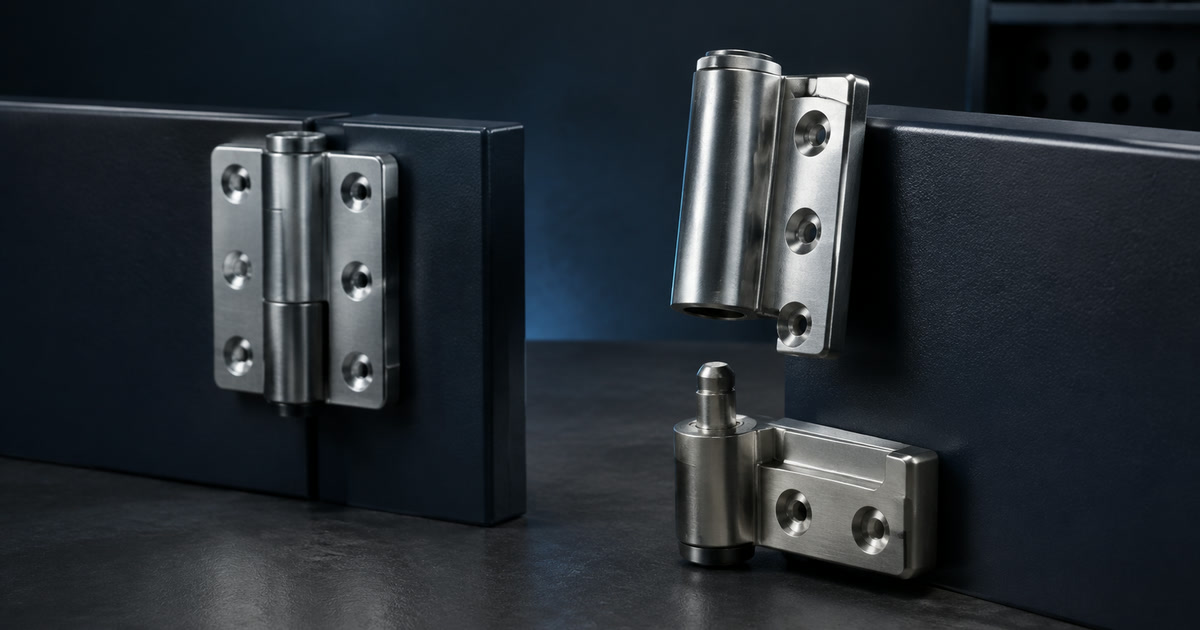
Specify removable-door hinges by handing, disengagement travel, lift clearance, retention and the full installed load case.
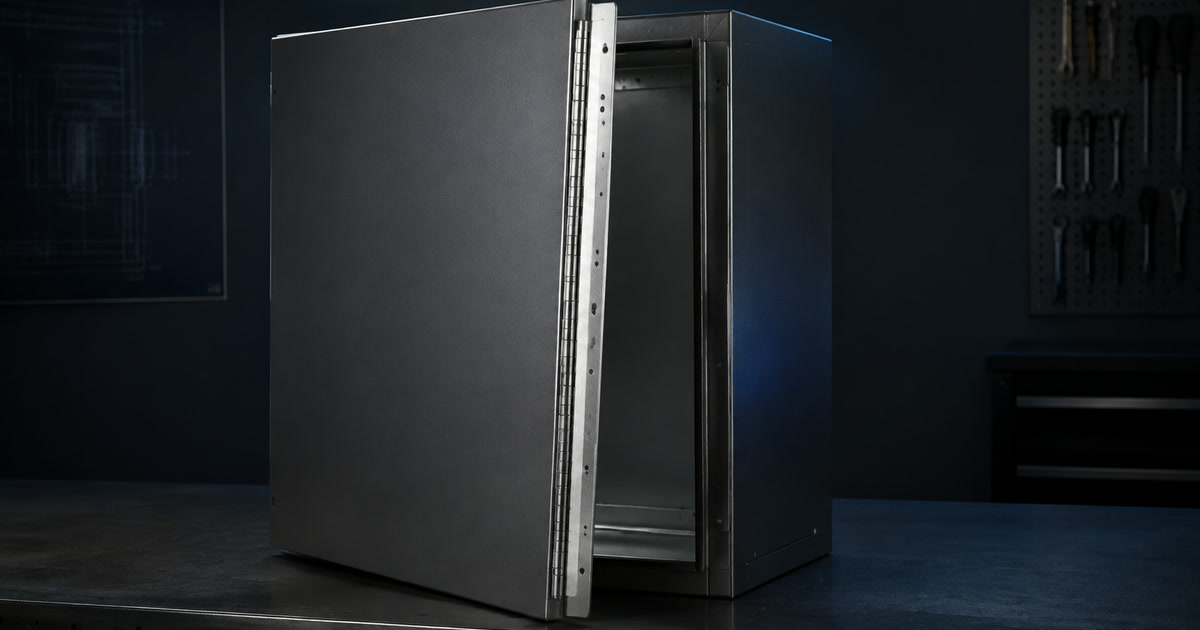
Specify piano-style hinges by finished length, leaf and pin geometry, hole pattern, offset, material and door load.
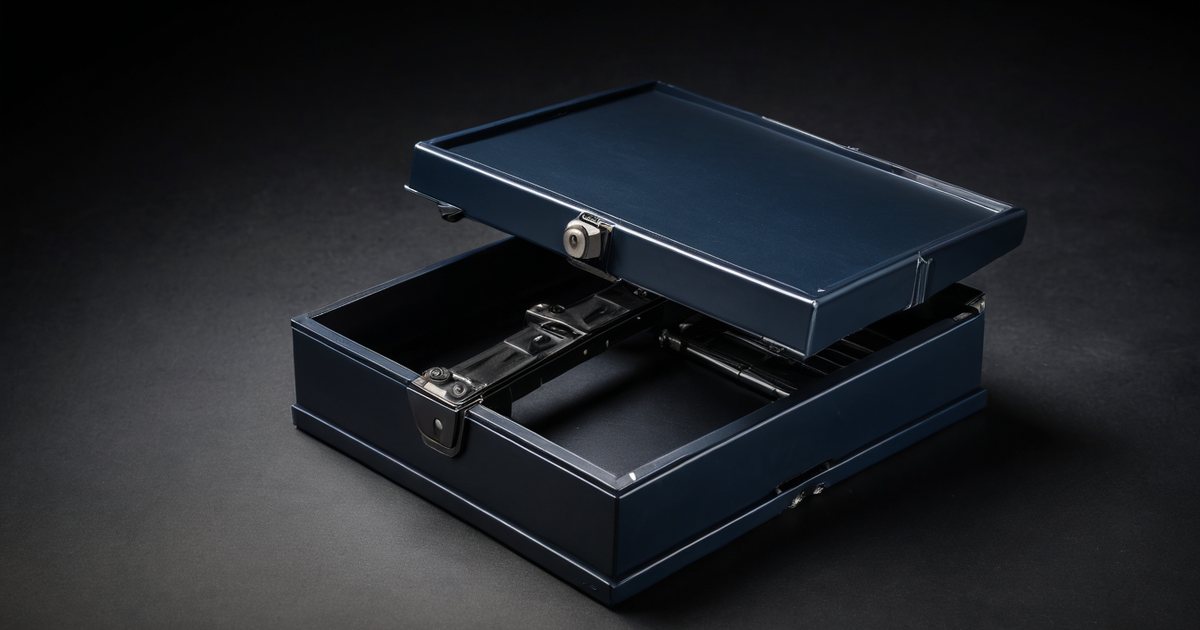
Size constant-torque hinges from lid moment, tolerance and life, and compare them with lid stays and gas springs.
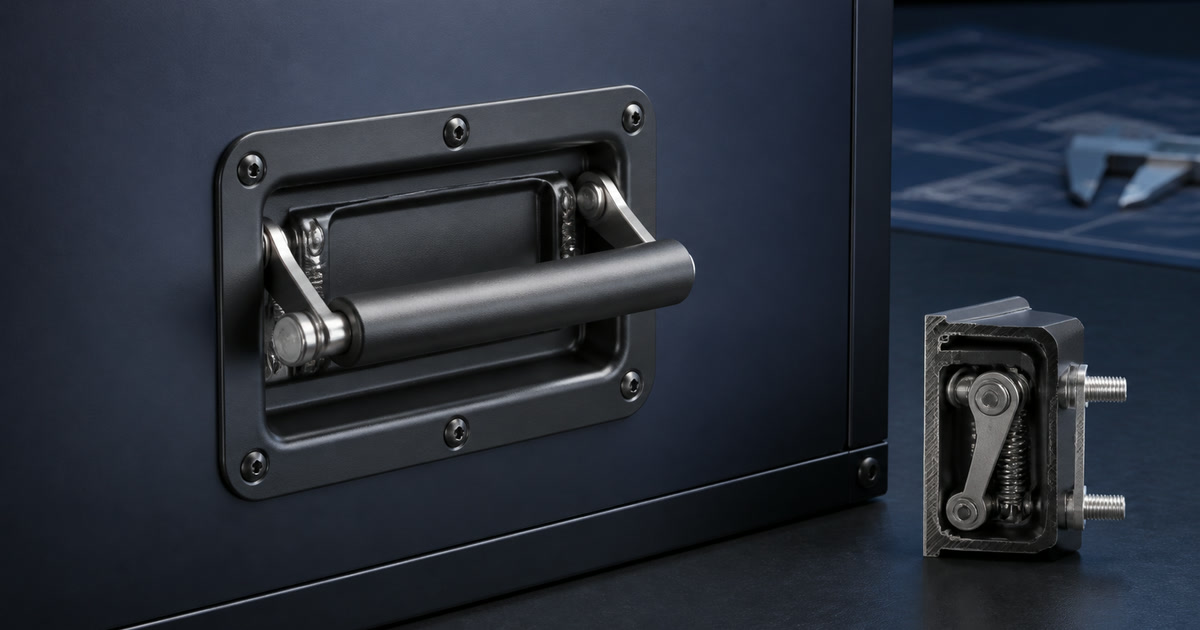
Choose low-profile handles by cutout, stowed envelope, return action, load path, panel reinforcement and service environment.
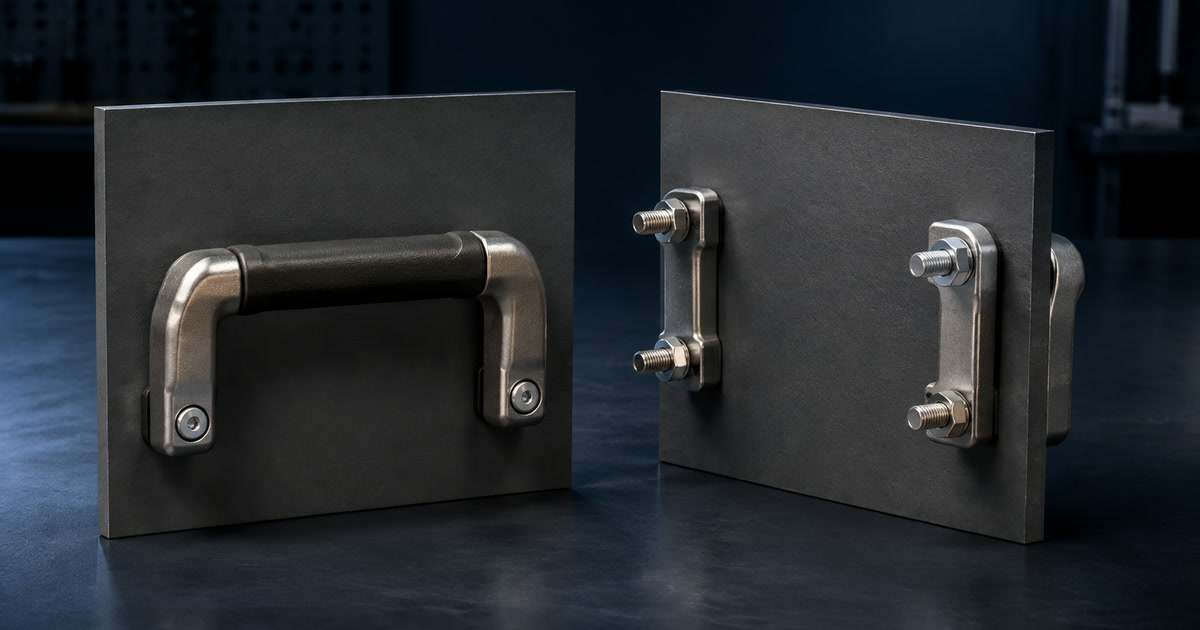
Specify fixed U-, arched, tubular and bar handles by hole centres, grip clearance, mounting, panel and load direction.
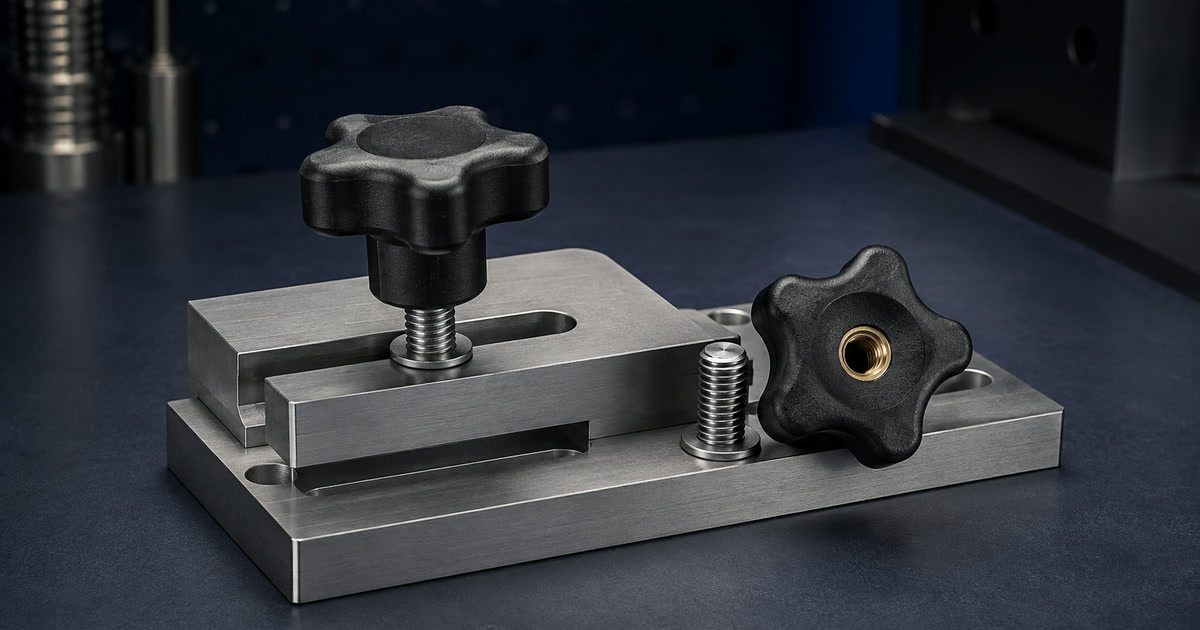
Specify hand-operated clamping knobs by thread, engagement, clamp load, grip clearance, thrust contact and environment.
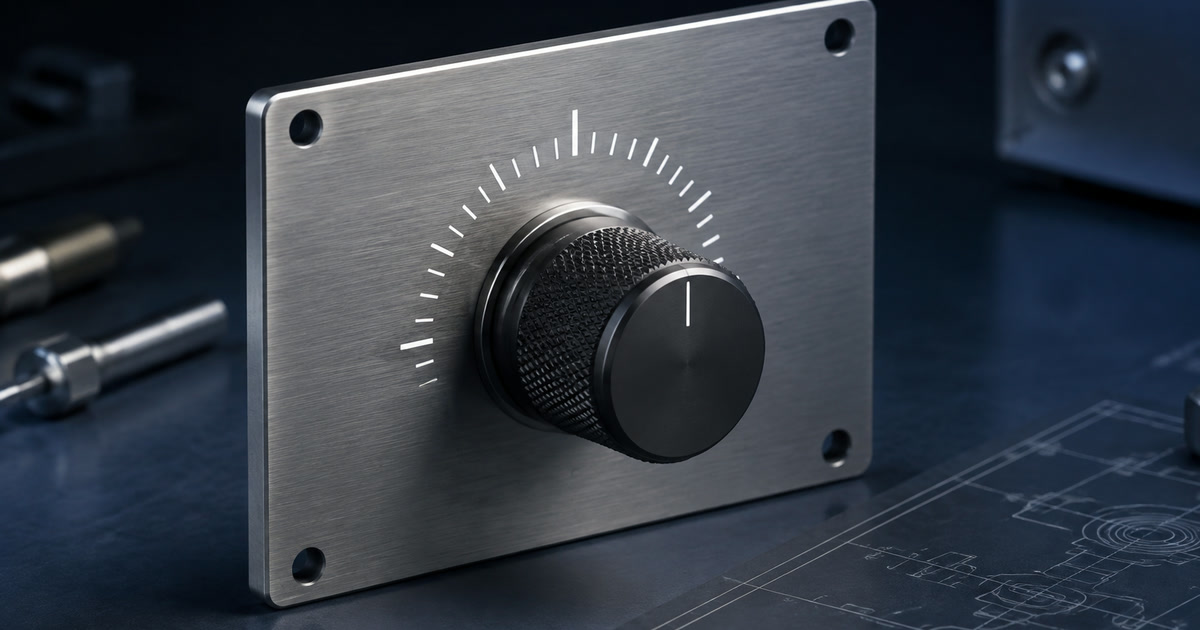
Specify scale marks, numbering direction, reference index, zero setting, shaft interface and mechanism resolution together.
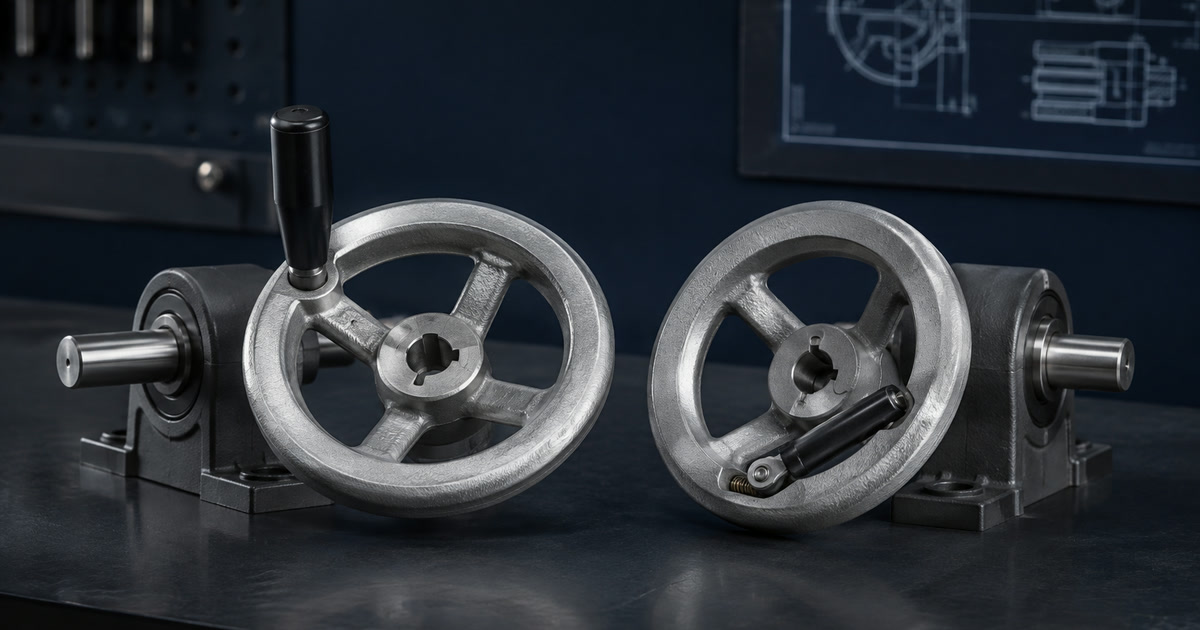
Choose a handwheel by torque, diameter, shaft/hub connection, operating motion and projecting-handle safety envelope.
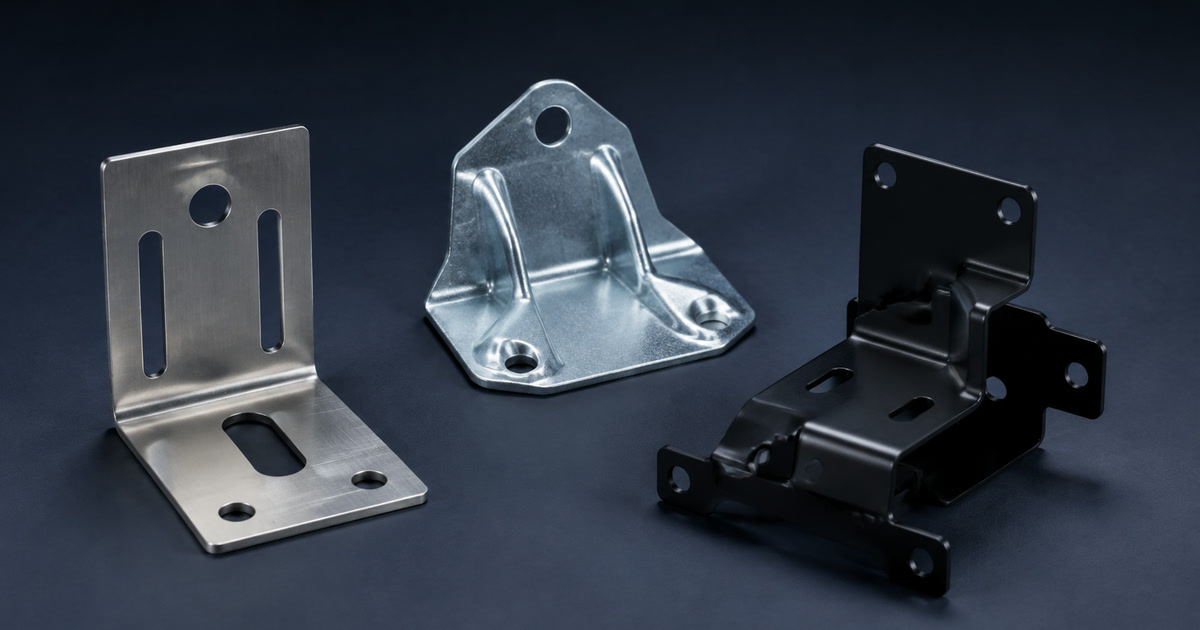
Prepare made-to-print bracket packages with controlled CAD, material, bends, functional datums, hardware, finish and inspection.
Core component families
These category pages explain common configurations and the interface details needed for a sourcing review.
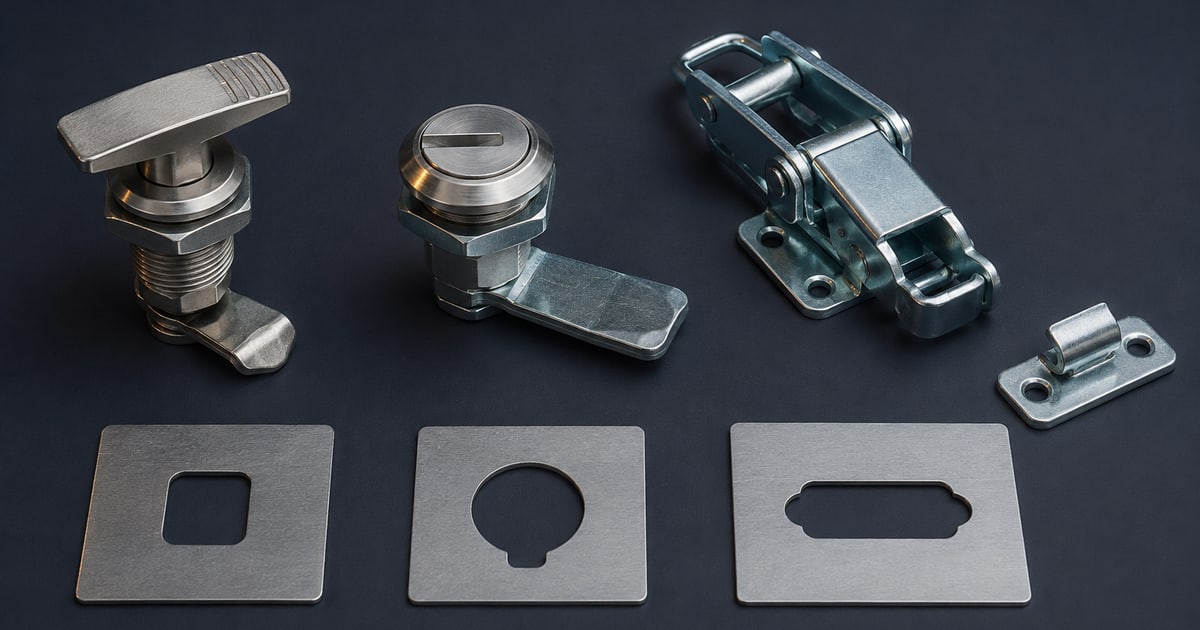
Compare compression, quarter-turn, cam and draw-latch configurations for cabinet doors and removable panels.
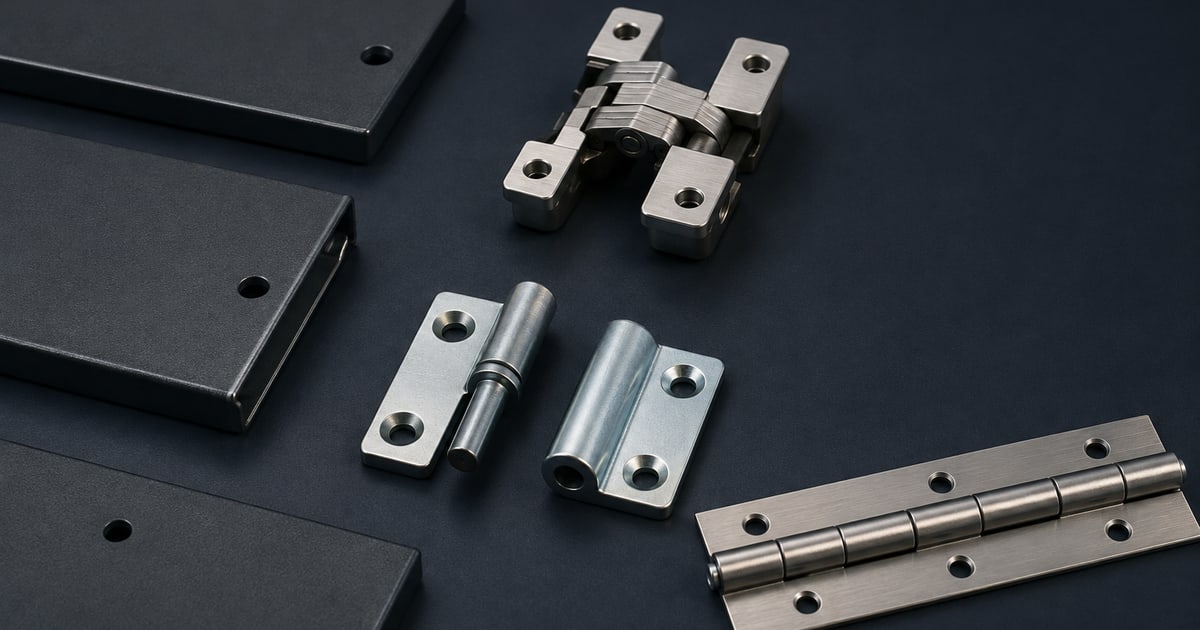
Review concealed, lift-off, continuous, torque and detent hinge options around the actual door load and geometry.
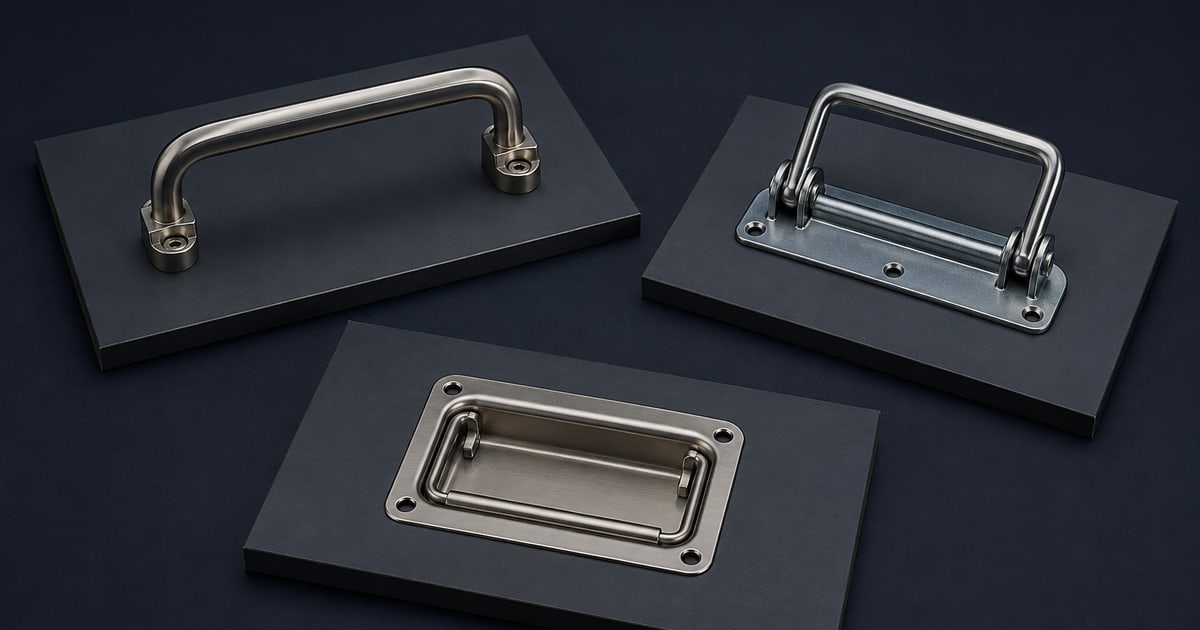
Specify fixed, folding, recessed and carrying handles by intended action, grip, mounting and load direction.
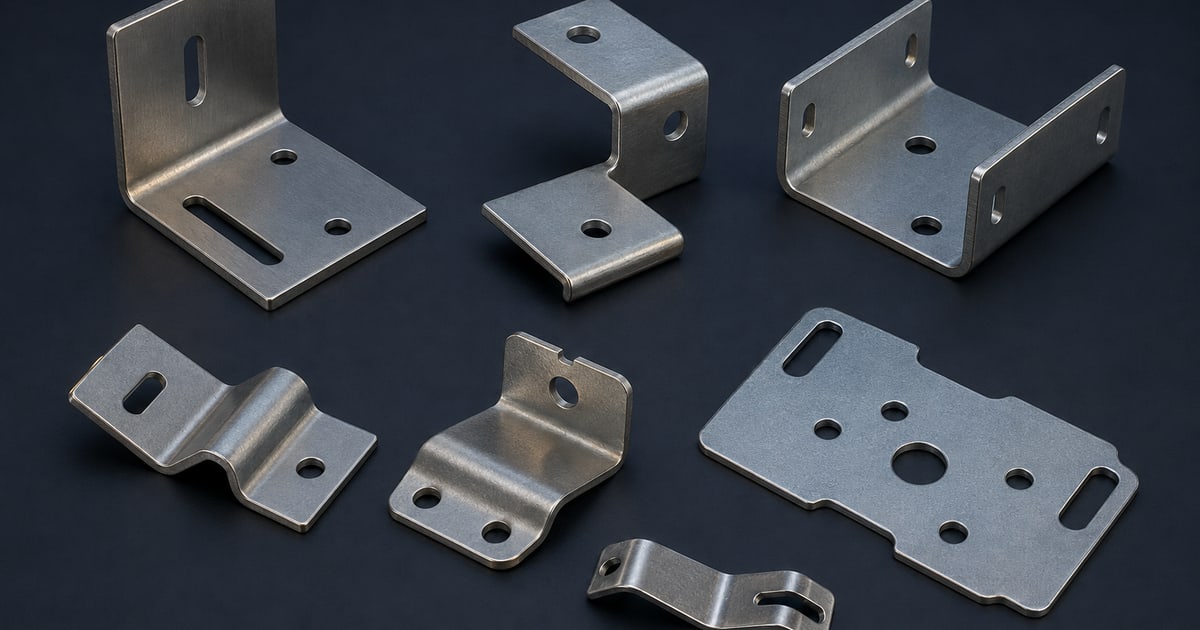
Prepare drawing-based requests for formed brackets, mounting plates, clips and related sheet-metal parts.
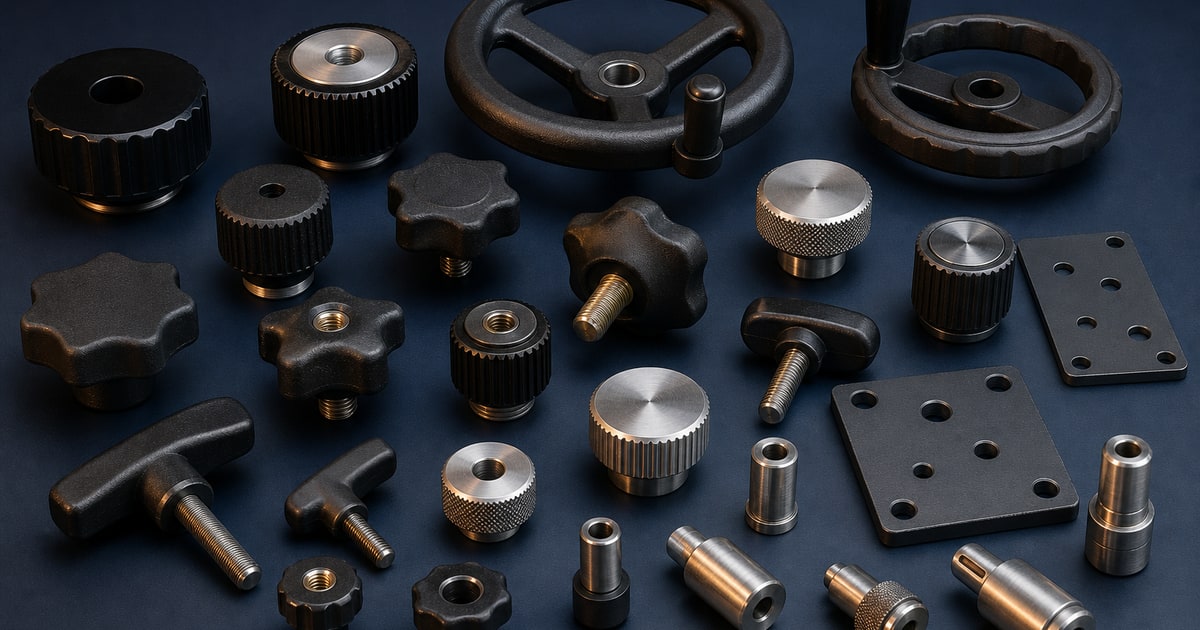
Define manual adjustment, shaft and hub interfaces, operating effort, feedback and machine-level safety requirements.
Buyer technical library
Use the RFQ, ratings-evidence and manufacturing-candidate guides as separate review steps.
Buyer preparation guide
Industrial enclosure hardware RFQ template and checklist: the fields suppliers need for latches, hinges, handles, knobs and brackets, ready to copy.
Original RFQ triage framework
Score an industrial enclosure hardware RFQ across five readiness gates before approaching Taiwan manufacturing candidates.
Ratings and evidence guide
IP66 vs NEMA 4X explained: how IEC IP codes and NEMA enclosure Types compare, why a latch alone does not rate an enclosure, and what evidence to request.
Supplier evaluation guide
Use a practical checklist to verify Taiwan enclosure hardware manufacturing candidates, compare quotations, and control drawings, tooling and quality evidence.
Buyer terminology guide
Define enclosure latch, hinge, handle, drawing, volume, tooling, evidence and delivery terms before requesting a supplier quotation.
Material and exposure decision guide
Choose enclosure-hardware materials and finishes by exposure: 304 vs 316 stainless, zinc coatings, passivation and what salt-spray hours do and do not show.
Equivalent-part decision guide
Evaluate equivalent enclosure latches, hinges and handles by form, fit, function, environment, certification evidence and assembly validation.
Quotation normalization guide
Quotation comparison template for Taiwan manufacturer quotes: normalize scope, quantity, tooling, MOQ, Incoterms, lead time, quality evidence and exclusions.
Confidential RFQ workflow
Share confidential drawings and CAD with suppliers using staged disclosure, NDA scope, controlled access, revision tracking and export-control screening.
Sample and inspection planning guide
Plan enclosure-hardware samples and first article inspection (FAI): report fields, production intent, FAI vs PPAP, AQL-indexed sampling and reinspection.
Trade show preparation
The Taiwan Hardware Show (Taipei) and TiTE x IHT (Taichung) both run October 20–22, 2026. Plan registration, booth questions and post-show RFQs.
Sourcing decision framework
Taiwan vs China hardware sourcing, part by part: Section 301 and origin rules, supplier clusters, IP, quality, MOQ, tooling, lead time and dual sourcing.
One coordinated request
Submit the latch, hinge, handle, knob and custom-part requirements for the same enclosure project in one RFQ.